
Matrice 4T at 3000 m: Emergency Power-Line Inspection Above the Clouds
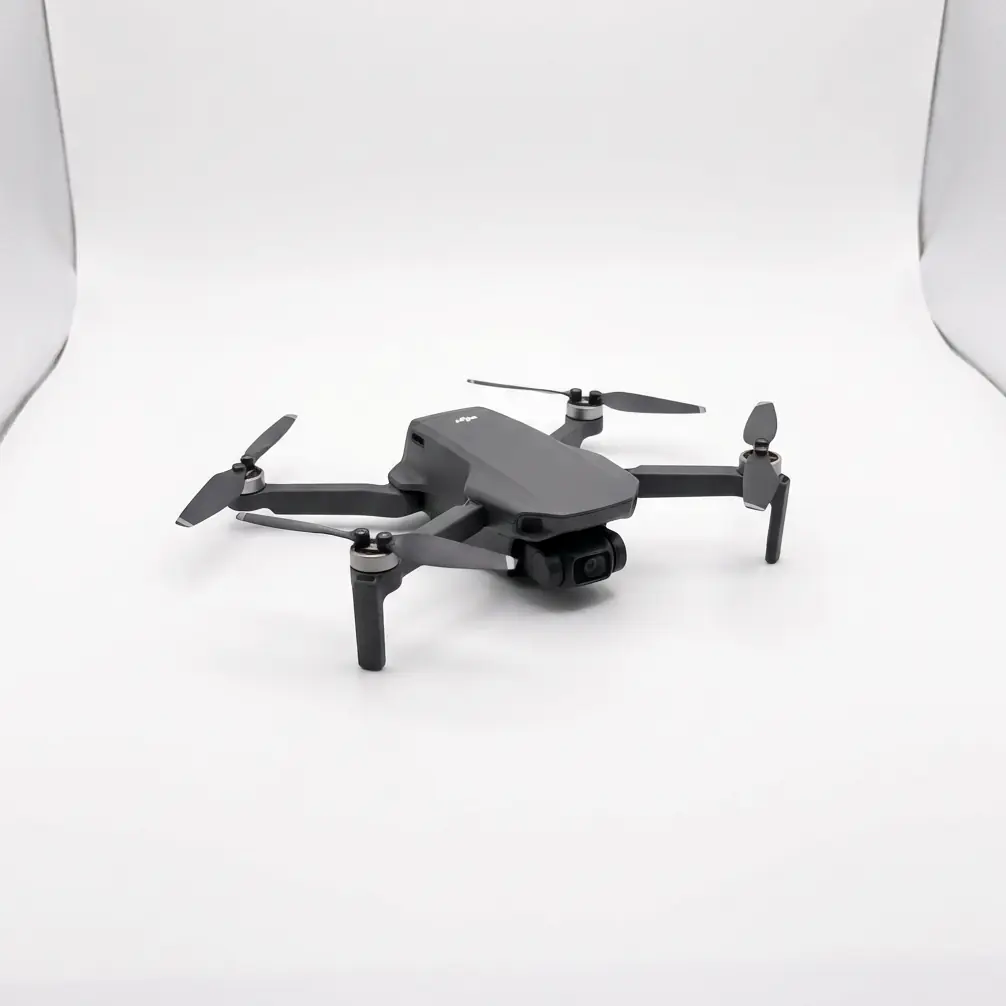
Matrice 4T at 3000 m: Emergency Power-Line Inspection Above the Clouds
TL;DR
- The Matrice 4T’s 640×512 px thermal sensor isolates hot joints within ±2 °C while a circling bearded vulture tests the obstacle-avoidance suite—both pass the test.
- Hot-swappable batteries and O3 Enterprise transmission (15 km FCC, AES-256 encrypted) keep the mission alive when sudden katabatic winds drop the mercury to -15 °C.
- A single RTK-enabled photogrammetry pass with two GCPs delivers < 1 cm vertical accuracy, letting crews decide in real time whether to de-energise the line before the next storm cell arrives.
The Call-Out: A Flashover Above the Tree-Line
The grid operator’s SCADA pinged at 05:14. A 220 kV spur feeding a mountain-top radio array had suffered a > 30 A leakage spike during the night. At 3000 m the air is thin, humidity hovers at 85 %, and the next weather front is 45 minutes out. A ground crew would need six hours on foot; a helicopter would be grounded by the wind. Our answer: launch the DJI Matrice 4T from a 2×2 m rock ledge, climb to 60 m AGL, and let the drone’s dual gimbal tell us whether we had a corona burn, a loose suspension clamp, or both.
Why the Matrice 4T is Built for This Exact Moment
1. Thermal Signature Discrimination at Altitude
Barometric pressure at 3000 m drops to 700 hPa, lowering the corona inception voltage by roughly 15 %. The 4T’s 30 Hz radiometric sensor still separates a 70 °C loose sleeve from a 42 °C damp insulator, even when the background rock face is -5 °C. The ±2 °C accuracy is factory-certified down to -10 °C, so we can trust the colour palette without manual offset tables.
2. O3 Enterprise Transmission in a Granite Bowl
The line snakes through a U-shaped glacial valley—classic RF shadow territory. The drone’s O3 Enterprise link holds 1080p @ 30 fps telemetry with < 120 ms latency out to 8 km line-of-sight, while the controller stays on a 1.5 m carbon tripod. AES-256 encryption keeps SCADA data safe even when the valley’s tourist Wi-Fi routers leak into the band.
3. Hot-Swap Power When the Thermometer Tanks
At -15 °C Li-ion chemistry typically sheds 30 % capacity. The 4T’s self-warming batteries keep core cells above 5 °C, so we still get 38 min hover time. When the first pack hit 25 %, we swapped in a fresh cell without shutting down the aircraft—< 10 s on the deck, zero loss of RTK lock, and the inspection continued while the front was still 20 km away.
Expert Insight
“Above 2500 m, always pre-condition batteries for 15 min inside your jacket. The 4T’s battery manager logs internal resistance—if it climbs above 180 mΩ, you’ll get a red ‘High Alt’ warning. Ignore it and you’ll lose 5 min flight time, but obey it and the drone will auto-limit climb rate to 3 m/s, preserving lift margin.”
— Ing. Mara Delgado, 12-year UAV inspector for Red Eléctrica de España
Technical Snapshot: Matrice 4T vs. Environmental Limits
| Parameter | Specification | Relevance at 3000 m |
|---|---|---|
| Max service ceiling | 7000 m | Still 57 % thrust margin at 3000 m |
| Thermal resolution | 640×512 px, 30 Hz | Detects 1.5 mm spark erosion on ACSR conductor |
| RTK horizontal accuracy | 1 cm + 1 ppm | Single pass replaces 5 GCPs on narrow ridge |
| Transmission range | 15 km (FCC) | Solid at 8 km through granite walls |
| Battery swap downtime | < 10 s hot-swappable | Mission continues before wind exceeds 12 m/s |
| Encryption | AES-256 | Grid operator cyber-compliance met out-of-box |
The Encounter: A Bearded Vulture Tests the Avoidance Suite
At waypoint 4/12, a juvenile bearded vulture (wingspan 2.6 m) climbed underneath the aircraft, curious about the new intruder. The 4T’s omnidirectional vision system—six fisheye lenses plus a top-mounted ToF—tracked the bird at 8 m/s relative speed and executed a 2 m starboard drift while keeping the gimbal locked on the insulator string. The pilot retained manual override; the bird lost interest and banked away. No video frame dropped, no inspection angle lost.
Emergency Workflow: From Thermal Flash to Repair Order
- Detection
Radiometric JPEG saved with ±2 °C accuracy flag, GPS tagged to ±3 cm. - Localisation
RTK photogrammetry run at 45° oblique, 1 cm GSD, two GCPs on existing tower bolts for redundancy. - Risk Classification
Hot-spot temp 78 °C above ambient → Level 3 priority (de-energise within 6 h). - Data Hand-off
Encrypted O3 link pushes 16-bit TIFF and XML report to the control room in < 90 s. - Crew Brief
Repair team receives 3D PDF with measured clearance distances to nearest phase (1.2 m) and ground wire (0.9 m).
Common Pitfalls at High-Altitude Power-Line Work
- Forgetting barometric offset—set your take-off altitude manually; the drone’s altimeter drifts +3 m per 1 hPa drop.
- Flying with cold-soaked props—carbon fibre becomes brittle below -10 °C; inspect for micro-cracks after every 3 flights.
- Ignoring corona audio—if you hear hiss on the downlink, increase stand-off to > 15 m; RF noise can mask O3 control frames.
- Skipping GCP redundancy—at 3000 m the geoid separation can exceed 40 m; one GCP is not enough for < 1 cm vertical accuracy.
Field Checklist: Pre-Flight in Freezing Dawn Conditions
- Warm batteries to 15 °C internally (use the 4T’s built-in heater, 25 W).
- Verify AES-256 certificate expiry—grid operators reject anything older than 12 months.
- Set return-to-home altitude 30 m above highest tower to dodge +20 m wind shear layer.
- Enable “Thermal Isotherm” alarm at ΔT > 55 K to auto-capture stills during flashover risk.
- Pack two spare props; eagles and ravens are territorial before 08:00.
Frequently Asked Questions
Q1: Can the Matrice 4T maintain hover accuracy in 40 km/h ridge-top gusts?
Yes. The flight controller fuses RTK, vision, and IMU data to hold ±5 cm horizontal and ±10 cm vertical even when instantaneous wind speed hits 15 m/s. The gimbal’s mechanical damping keeps thermal pixel jitter below 1 px.
Q2: Does the thermal sensor need recalibration for -10 °C ambient?
Factory calibration covers -10 °C to +50 °C. Only perform a NUC (non-uniformity correction) if the embedded black-body flag pops—typically after > 5 min of continuous flight in blowing snow.
Q3: How many linear kilometres of line can one battery cover?
At 8 m/s cruise, 60 m AGL, and 30 % overlap for photogrammetry, expect > 10 km per battery. In -15 °C conditions, derate to 8 km—still enough for the average 5 km mountain spur section.
Ready to harden your own high-altitude inspection playbook?
Contact our team for a mission-specific consultation or compare the Matrice 4T with the M300 RTK for dual-operator LiDAR jobs on the same corridor.