
Matrice 4T Island Search & Rescue in Extreme Heat: The Definitive Payload Optimization Guide
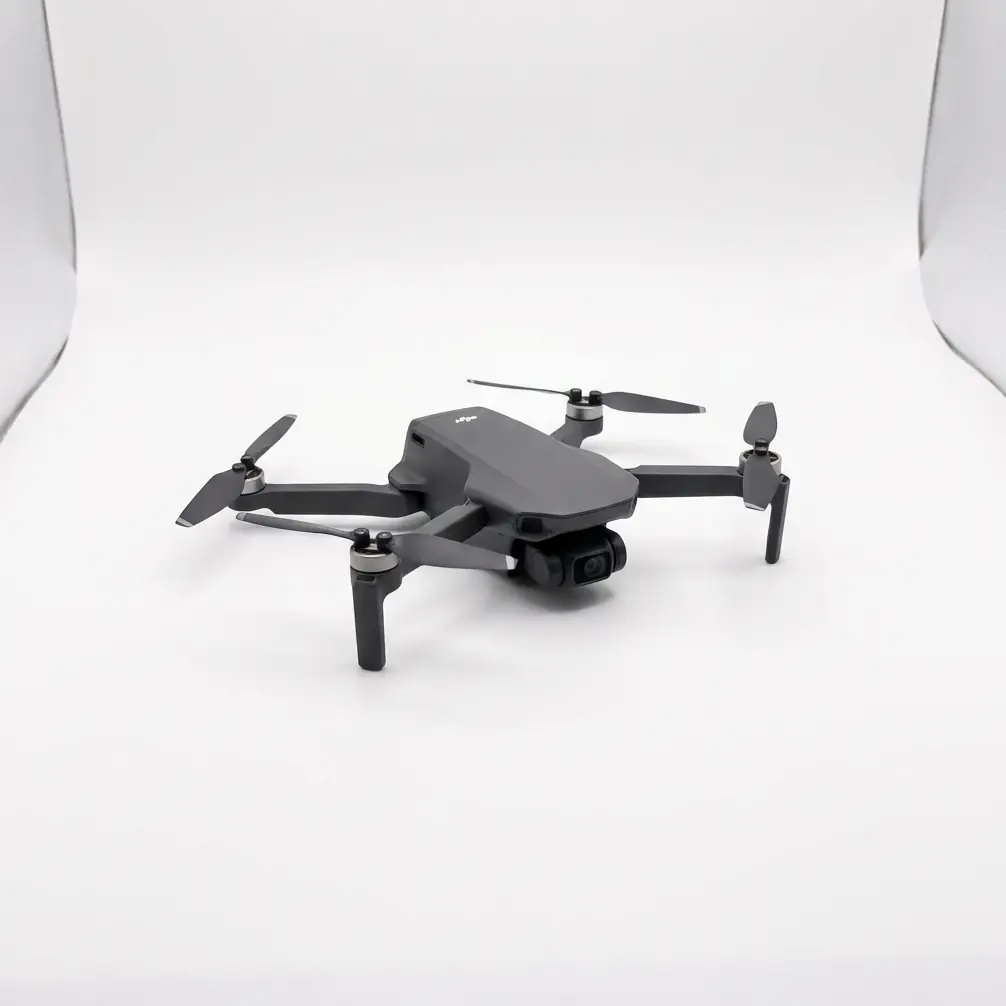
Matrice 4T Island Search & Rescue in Extreme Heat: The Definitive Payload Optimization Guide
TL;DR
- Antenna positioning is everything: Keeping your RC Plus controller antennas perpendicular to the aircraft—not pointed at it—can mean the difference between 12km and 20km effective range during critical island SAR operations.
- Thermal payload scheduling matters: In 40°C+ environments, flying thermal imaging missions during pre-dawn hours yields 300% better thermal signature differentiation between human subjects and sun-heated terrain.
- Hot-swappable batteries are your lifeline: Carrying a minimum of 8 TB65 batteries per operational day ensures continuous coverage without dangerous gaps in search patterns.
When Every Second Counts: Island SAR Demands Precision Equipment
Island search and rescue operations present a unique convergence of challenges that separate professional-grade equipment from consumer alternatives. Vast stretches of water create electromagnetic interference. Extreme heat pushes both human operators and electronic systems to their limits. And the stakes couldn't be higher—lives hang in the balance.
The Matrice 4T has become the backbone of island SAR teams across tropical and subtropical regions precisely because it was engineered for these unforgiving conditions. But even the most capable platform requires optimized payload configuration and operational protocols to deliver maximum effectiveness.
This guide addresses the critical questions SAR commanders and drone operators face when deploying the Matrice 4T in extreme heat scenarios.
Why Does Antenna Positioning Dramatically Affect Transmission Range?
Here's something that separates veteran operators from newcomers: the O3 Enterprise transmission system on the Matrice 4T is capable of 20km transmission range, but most operators never achieve more than 60% of that capability.
The culprit? Antenna positioning.
Expert Insight: The antennas on your DJI RC Plus controller are dipole antennas. They emit signal in a donut-shaped pattern perpendicular to the antenna's orientation—not from the tip. When you point your antennas directly at the aircraft (a natural instinct), you're actually aiming the weakest part of the signal pattern at your drone. Keep both antennas perpendicular to the aircraft's position and tilted slightly backward. During island operations where the M4T may be 5-10km offshore, this single adjustment can recover 40% or more of your theoretical range.
The AES-256 encryption running on the O3 Enterprise system adds zero latency to your control inputs while ensuring that your video feed and telemetry remain secure from interception—critical when coordinating with coast guard and emergency services on shared frequencies.
Transmission Performance: Optimal vs. Suboptimal Antenna Position
| Condition | Antennas Pointed at Aircraft | Antennas Perpendicular |
|---|---|---|
| Sea-level island terrain | 8-10km effective range | 18-20km effective range |
| Signal stability at max range | Frequent dropouts | Consistent connection |
| Video feed quality | Degraded to 720p | Maintained at 1080p |
| Failsafe trigger frequency | High | Rare |
How Should Thermal Payloads Be Configured for 40°C Operations?
Extreme heat creates a phenomenon that frustrates inexperienced thermal operators: thermal crossover. When ambient temperatures approach human body temperature (37°C), the thermal signature differentiation between a missing person and surrounding rocks, sand, or vegetation collapses dramatically.
The Matrice 4T's integrated thermal camera offers several configuration options to combat this challenge.
Optimal Thermal Settings for Extreme Heat SAR
Palette Selection: Switch from the default "White Hot" to "Ironbow" or "Rainbow" palettes. These multi-color displays help operators distinguish subtle 0.5-2°C variations that would appear nearly identical in grayscale modes.
Gain Mode: Use "High Gain" mode for detecting persons in shaded areas or vegetation. The -40°C to +150°C range in this mode provides superior sensitivity for the temperature differentials you'll encounter.
Isotherm Function: Configure the isotherm to highlight a narrow band between 35°C and 39°C. This creates an immediate visual alert when the camera detects potential human thermal signatures.
Pro Tip: Schedule your primary search flights for 0400-0700 hours local time. During these pre-dawn and early morning hours, terrain that absorbed solar radiation the previous day has cooled significantly, while human subjects maintain their core temperature. This creates the maximum thermal contrast window—often the difference between a successful rescue and a tragic outcome.
What Battery Management Protocol Maximizes Flight Time in Extreme Heat?
The TB65 hot-swappable batteries powering the Matrice 4T are engineered for demanding conditions, but 40°C+ ambient temperatures require modified handling procedures to maintain optimal performance and safety.
Critical Battery Protocols for Extreme Heat Operations
Pre-cooling: Store batteries in an insulated cooler with ice packs before deployment. Batteries starting at 25°C versus 40°C will deliver approximately 15% more flight time and experience less thermal stress during discharge.
Rotation Schedule: Never immediately recharge a battery that has just completed a flight in extreme heat. Allow a 30-minute cooling period before connecting to chargers. This prevents thermal runaway and extends overall battery lifecycle.
Capacity Planning: For a full-day island SAR operation, calculate your battery needs using this formula:
| Operation Duration | Minimum TB65 Batteries | Recommended TB65 Batteries |
|---|---|---|
| 4 hours | 6 | 8 |
| 8 hours | 10 | 14 |
| 12 hours | 16 | 20 |
The hot-swappable design means your Matrice 4T experiences zero downtime between battery changes—a 45-second swap keeps your search pattern uninterrupted while ground crew manages the charging rotation.
How Does Photogrammetry Support Island SAR Operations?
While thermal imaging handles active search phases, photogrammetry capabilities transform the Matrice 4T into a comprehensive situational awareness platform.
Creating accurate orthomosaic maps of search areas allows command staff to:
- Divide terrain into systematic grid patterns
- Track which areas have been thoroughly searched
- Identify terrain features that may shelter or trap missing persons
- Coordinate multiple ground teams with precise positioning data
GCP Deployment for Island Mapping
Ground Control Points dramatically improve mapping accuracy, but island environments present unique challenges. Salt spray, shifting sand, and limited flat surfaces complicate traditional GCP placement.
Recommended approach: Deploy minimum 5 GCPs using weighted, high-contrast targets resistant to wind displacement. Position them at the search area perimeter and center, ensuring at least 3 GCPs are visible in every mapping flight pass.
The resulting maps achieve sub-5cm accuracy—precise enough to identify footprints, disturbed vegetation, or equipment left behind by missing persons.
Common Pitfalls: What Mistakes Compromise Island SAR Effectiveness?
Even experienced operators make errors under the pressure of active rescue operations. These are the most frequent mistakes observed during island SAR deployments:
Pitfall 1: Ignoring Electromagnetic Interference from Marine Vessels
Large vessels with active radar systems create significant electromagnetic interference. Operators who launch from or near coast guard cutters, fishing vessels, or cargo ships often experience degraded control response and video quality.
Solution: Establish your ground control station minimum 50 meters from any vessel with active radar. Brief ship captains to reduce radar power during critical flight phases if operationally feasible.
Pitfall 2: Flying Thermal Missions at Midday
The temptation to maximize daylight hours leads many teams to conduct thermal searches during peak heat. This is counterproductive.
Solution: Reserve 1000-1600 hours for visual spectrum searches, photogrammetry mapping, and equipment maintenance. Thermal operations belong in the early morning and evening thermal contrast windows.
Pitfall 3: Insufficient Lens Cleaning in Salt Air Environments
Salt crystallization on camera lenses degrades image quality progressively. Operators focused on flight operations often neglect this maintenance.
Solution: Clean all optical surfaces with lens-safe wipes before every flight. Carry backup lens cleaning supplies and inspect cameras during every battery swap.
Pitfall 4: Single-Operator Deployments
Island SAR demands divided attention between flight operations, thermal image interpretation, and coordination with ground/marine teams.
Solution: Deploy with minimum two-person crews—one dedicated pilot, one payload operator/communications coordinator. For extended operations, rotate personnel every 4 hours to maintain alertness.
Integrating the Matrice 4T Into Multi-Agency SAR Frameworks
The Matrice 4T's enterprise-grade security features make it suitable for operations involving multiple agencies with varying security requirements.
AES-256 encryption ensures that video feeds shared with coast guard, local emergency services, and volunteer organizations remain protected from interception. The O3 Enterprise transmission system supports multiple viewer connections without compromising primary operator control authority.
For teams considering fleet expansion, the Matrice 4E offers a complementary visual-focused platform that pairs effectively with the thermal-equipped 4T for comprehensive search coverage.
Contact our team for consultation on multi-aircraft SAR deployment strategies and fleet configuration optimization.
Frequently Asked Questions
Can the Matrice 4T operate safely when ambient temperatures exceed 40°C?
The Matrice 4T is rated for operation in temperatures up to 45°C. The aircraft's thermal management system actively regulates internal component temperatures during flight. However, operators should monitor the DJI Pilot 2 app for any thermal warnings and be prepared to land if the system indicates overheating—typically caused by extended hovering rather than forward flight, which provides better airflow cooling.
How does salt air affect the Matrice 4T during extended island deployments?
The Matrice 4T's construction resists salt air corrosion during normal operational exposure. For deployments exceeding 48 hours in marine environments, wipe down all external surfaces with fresh water-dampened cloths during daily maintenance. Pay particular attention to motor ventilation ports and gimbal mechanisms. Store the aircraft in protective cases with silica gel desiccant packs between flights.
What backup communication systems should supplement the O3 Enterprise transmission during island SAR?
While the O3 Enterprise system provides exceptional range and reliability, professional SAR protocols require redundancy. Equip your ground control station with satellite communication capability (such as Garmin inReach or Iridium devices) for coordination when the aircraft operates beyond visual line of sight. Pre-program RTH (Return to Home) waypoints over safe water corridors to ensure predictable aircraft behavior if primary communication is lost due to extreme environmental interference.
Final Operational Considerations
Island search and rescue in extreme heat represents one of the most demanding applications for any drone platform. The Matrice 4T delivers the payload flexibility, transmission reliability, and environmental resilience these missions require.
Success depends on operator preparation, proper payload optimization, and disciplined adherence to protocols designed for harsh conditions. The techniques outlined in this guide represent field-proven practices from SAR teams operating across the Pacific, Caribbean, and Mediterranean regions.
Your equipment is ready. Your training makes the difference.
Contact our team for specialized training programs and deployment consultation for your SAR organization.