
Neo: Mastering Construction Sites in Extreme Temps
Neo: Mastering Construction Sites in Extreme Temps
META: Discover how the Neo drone captures stunning construction footage in extreme temperatures. Learn pro techniques for reliable aerial documentation year-round.
TL;DR
- Neo operates reliably in temperatures from 32°F to 104°F (0°C to 40°C), making it viable for most construction site conditions
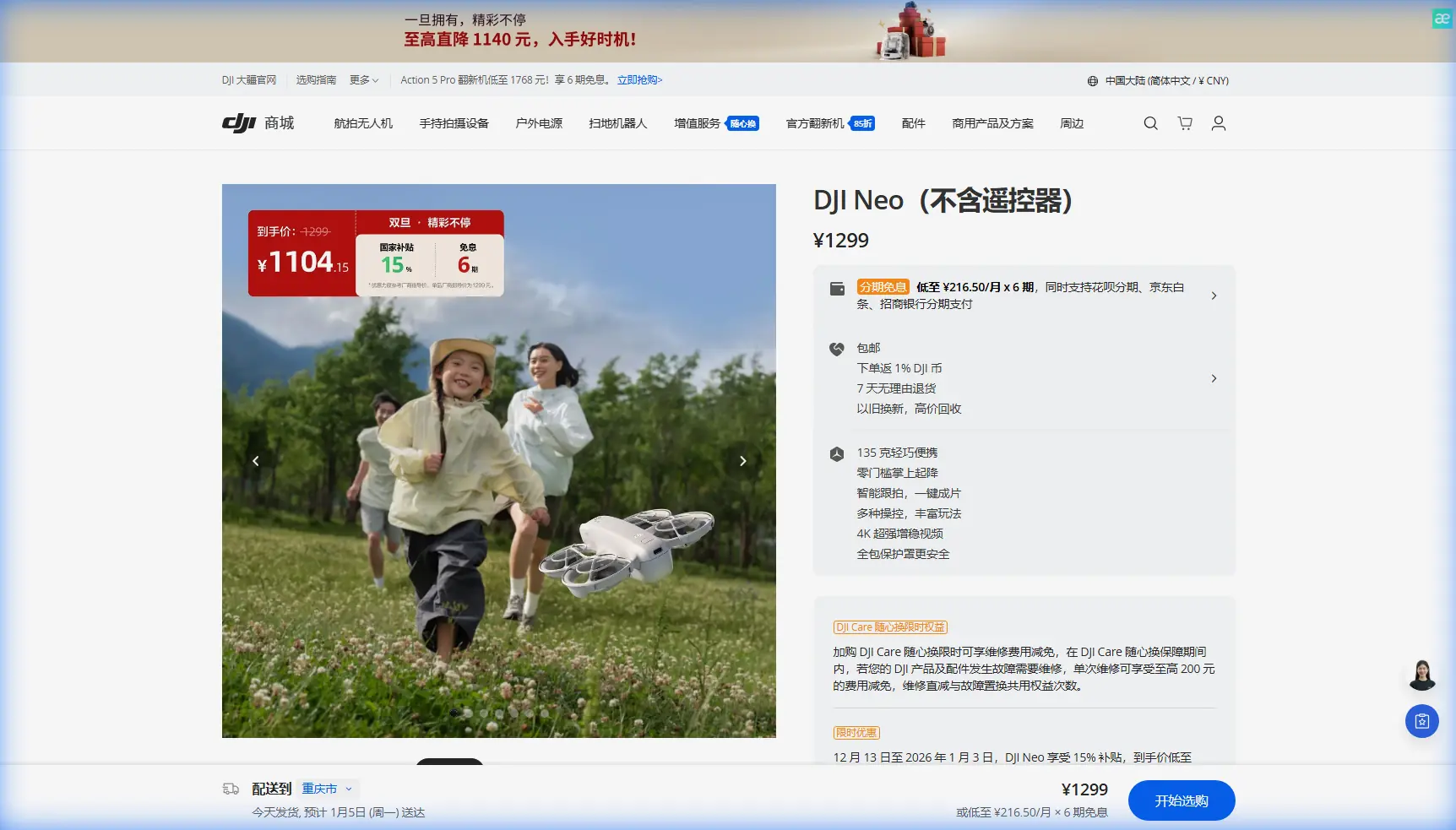
- Compact 135g design fits in a jacket pocket for quick deployment between weather windows
- Subject tracking and QuickShots automate complex shots when cold fingers make manual control difficult
- D-Log color profile preserves detail in high-contrast scenes common on sun-baked or snow-covered sites
Last winter, I nearly lost a critical deadline documenting a high-rise foundation pour. Temperatures hovered at 28°F (-2°C), my larger drone refused to launch, and the concrete crew wasn't waiting for warmer weather. That experience taught me a hard lesson about equipment limitations—and eventually led me to rethink my approach to extreme-condition aerial work.
The Neo has since become my go-to solution for construction documentation when conditions turn hostile. This guide breaks down exactly how this compact drone performs when temperatures push boundaries, and the specific techniques I've developed to maximize reliability on challenging job sites.
Understanding the Neo's Thermal Operating Range
Construction sites don't pause for perfect weather. Concrete pours happen at dawn. Steel erection continues through summer heat waves. Documentation demands don't align with comfortable flying conditions.
The Neo's official operating temperature spans 32°F to 104°F (0°C to 40°C). While this seems limiting compared to enterprise-grade platforms, understanding how to work within—and occasionally push—these boundaries makes all the difference.
Cold Weather Performance Factors
Battery chemistry dictates cold-weather capability more than any other component. The Neo's intelligent battery includes internal temperature monitoring that prevents damage from cold-weather discharge.
Key cold-weather behaviors include:
- Reduced flight time (expect 30-40% less hover time below 40°F)
- Slower initial response until motors and electronics warm up
- More aggressive low-battery warnings as voltage sags in cold cells
- Potential GPS lock delays in extreme cold
Pro Tip: Keep spare batteries inside your jacket, close to body heat. Rotate batteries every 10-12 minutes rather than flying until warnings appear. Warm batteries inserted into a cold drone perform dramatically better than cold batteries in any condition.
Hot Weather Considerations
Summer construction sites present different challenges. Radiant heat from concrete, asphalt, and metal structures can push ambient temperatures well beyond air temperature readings.
Heat-related factors affecting Neo performance:
- Motor efficiency decreases above 95°F, reducing thrust margins
- Battery swelling risk increases with combined heat and high discharge
- Sensor accuracy can drift in extreme heat
- Obstacle avoidance may struggle with heat shimmer distortion
Practical Techniques for Extreme Temperature Documentation
Theory matters less than results on an active construction site. These techniques come from hundreds of hours documenting projects across climate zones.
Pre-Flight Thermal Management
Before launching in challenging temperatures, I follow a consistent preparation protocol:
- Check battery temperature via the app—launch only when within optimal range
- Inspect propellers for cold-induced brittleness or heat warping
- Clean sensors thoroughly (temperature extremes accelerate dust accumulation)
- Plan shorter missions with built-in thermal recovery time
- Identify emergency landing zones that won't damage the drone on hot surfaces
Leveraging Automation When Manual Control Suffers
Cold fingers and bulky gloves make precise stick inputs nearly impossible. This is where the Neo's automated flight modes become essential rather than optional.
QuickShots eliminate the need for complex manual maneuvers. The pre-programmed flight paths execute consistently regardless of operator dexterity. For construction documentation, I rely heavily on:
- Dronie for establishing shots showing site context
- Circle for documenting completed structural elements
- Helix for dramatic reveals of vertical construction progress
Subject tracking through ActiveTrack maintains focus on moving equipment or personnel without constant input. When documenting crane operations or material deliveries, I'll lock onto the subject and let the Neo handle positioning while I focus on timing and composition.
Expert Insight: ActiveTrack performs best when subjects contrast clearly against backgrounds. On snow-covered sites, workers in high-visibility vests track flawlessly. On sun-bleached concrete, darker clothing or equipment provides better tracking targets.
Hyperlapse for Extended Documentation
Construction progress documentation often requires extended time-on-site coverage. The Neo's Hyperlapse function creates compelling progress sequences while minimizing continuous flight time.
For extreme temperature work, I use Hyperlapse strategically:
- Waypoint Hyperlapse for consistent angles across multiple site visits
- Circle Hyperlapse around key structural elements
- Free Hyperlapse for creative establishing sequences
Each Hyperlapse mission keeps the drone airborne for shorter periods than equivalent real-time footage, reducing thermal stress on components.
Technical Specifications for Extreme Conditions
Understanding how Neo's specifications translate to real-world extreme temperature performance helps set realistic expectations.
| Specification | Standard Conditions | Cold Weather Impact | Hot Weather Impact |
|---|---|---|---|
| Flight Time | Up to 18 minutes | 10-12 minutes typical | 14-16 minutes typical |
| Max Speed | 35.8 mph (16 m/s) | Slightly reduced | Minimal impact |
| Obstacle Avoidance | Downward sensing | Normal function | Heat shimmer interference possible |
| Video Quality | 4K/30fps | No degradation | No degradation |
| Transmission Range | 7 km (FCC) | Potential reduction | Normal function |
| Hover Accuracy | ±0.1m vertical | ±0.3m in gusty cold | Normal function |
D-Log for Challenging Lighting
Extreme temperatures often correlate with challenging lighting conditions. Bright snow, harsh summer sun, and dramatic shadows from construction equipment all benefit from the Neo's D-Log color profile.
D-Log captures approximately 2 additional stops of dynamic range compared to standard color profiles. This latitude proves invaluable when:
- Documenting both shadowed foundation work and sunlit upper floors
- Capturing detail in snow-covered sites without blowing highlights
- Preserving information in high-contrast summer scenes
Post-processing D-Log footage requires color grading, but the flexibility gained in extreme lighting conditions justifies the additional workflow step.
Common Mistakes to Avoid
Years of extreme-condition flying have taught me what not to do. These mistakes cost time, footage, and occasionally equipment.
Ignoring Battery Temperature Warnings
The Neo's battery management system exists for good reason. Launching with batteries outside optimal temperature range risks:
- Immediate power cutoff mid-flight
- Permanent battery damage from cold-weather discharge
- Reduced overall battery lifespan
- Unpredictable voltage behavior causing erratic flight
Flying Until Empty in Cold Weather
Cold batteries report inaccurate charge levels. A battery showing 30% capacity in cold conditions may actually have far less usable energy. Land with more reserve than you'd normally maintain.
Neglecting Lens Condensation
Moving drones between temperature extremes causes rapid condensation on camera elements. Launching immediately after bringing a cold drone into a warm vehicle—or vice versa—guarantees foggy footage.
Allow 15-20 minutes for temperature equalization before critical shots.
Overlooking Ground Surface Temperature
Landing on hot asphalt, sun-baked concrete, or metal surfaces can damage the Neo's underside sensors and battery. Carry a landing pad or identify shaded landing zones before launching.
Pushing Beyond Stated Limits
While the Neo can occasionally operate slightly outside its rated temperature range, doing so voids warranty protection and risks permanent damage. The 32°F lower limit exists because battery chemistry becomes genuinely dangerous below that threshold.
Frequently Asked Questions
Can the Neo fly in rain or snow on construction sites?
The Neo lacks an official IP rating for water resistance. Light snow in cold, dry conditions poses minimal risk, but any moisture—rain, wet snow, or high humidity—should be avoided. Construction sites often have covered areas where you can shelter while waiting for precipitation to pass.
How do I extend battery life in cold weather?
Keep batteries warm until immediately before use, fly conservative patterns avoiding aggressive maneuvers, and land with 25-30% remaining charge rather than the typical 20%. Consider investing in insulated battery cases designed for cold-weather drone operations.
What's the best time of day for extreme temperature construction documentation?
In hot conditions, fly during the first two hours after sunrise or last two hours before sunset. Temperatures are lower, lighting is more dramatic, and site activity often peaks during these windows. In cold conditions, midday typically offers the warmest temperatures and most stable atmospheric conditions.
Extreme temperature construction documentation demands respect for equipment limitations and adaptation of standard techniques. The Neo's compact form factor, automated flight modes, and reliable performance within its operating envelope make it a practical tool for challenging conditions—when used thoughtfully.
The key lies in preparation, realistic expectations, and willingness to work with the drone's capabilities rather than against them. Master these principles, and the Neo becomes a reliable documentation partner regardless of what the thermometer reads.
Ready for your own Neo? Contact our team for expert consultation.