
Neo in the Mountains: A Photographer’s Case Study
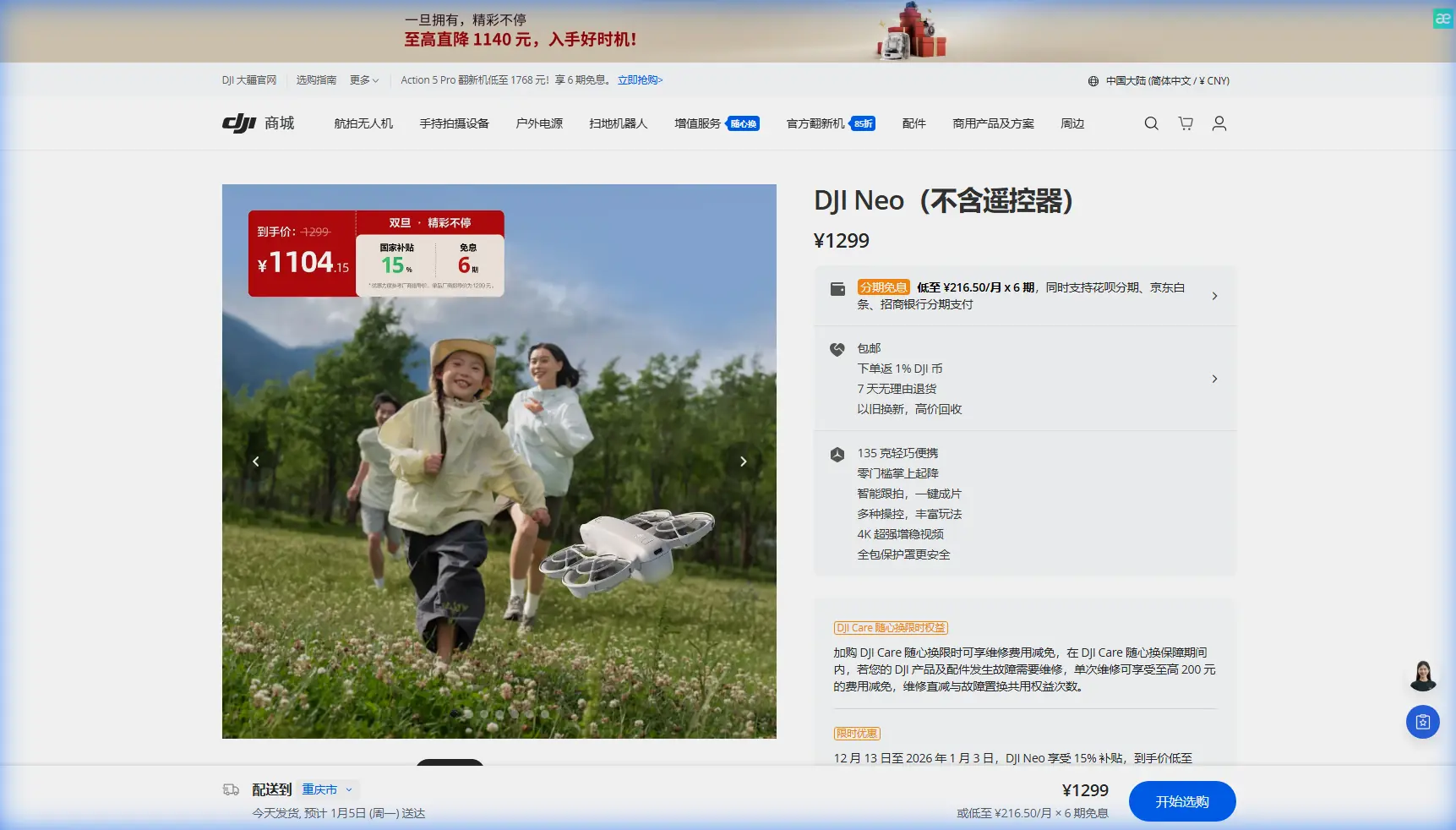
Neo in the Mountains: A Photographer’s Case Study on Capturing Venues with Precision
META: A practical mountain venue case study using DJI Neo-style features like obstacle avoidance, subject tracking, QuickShots, Hyperlapse, D-Log, and ActiveTrack, including optimal flight altitude tips for cleaner cinematic results.
Mountain venues test a drone in ways flatland locations never do. Light shifts faster. Wind behaves unpredictably around ridgelines and tree gaps. Distances look deceptively short until you are trying to frame a lodge, ceremony deck, or retreat center against a layered background without flattening the landscape. That is where Neo becomes interesting.
I am approaching this from the perspective of Jessica Brown, a photographer working a mountain venue shoot where the goal is not simply to record a property, but to show why the place feels special when viewed in person. The challenge is emotional as much as technical. A venue in the mountains needs scale, access, atmosphere, and a sense of elevation. If the drone footage gets any of those wrong, the final story feels ordinary.
Neo fits this type of assignment because it leans into speed of setup and automated camera support without removing too much creative control. For a photographer already juggling stills, walk-throughs, changing weather, and venue staff timing, that balance matters. A mountain shoot rarely rewards complexity. It rewards tools that let you react quickly and still come back with usable footage.
The assignment: show the venue, not just the building
In this case study, the brief was clear. Capture a mountain venue in a way that helps future guests understand three things:
- Where the venue sits within the landscape
- How guests move through the property
- What the location feels like at different times of day
That meant the drone could not spend the whole session high overhead. A single top-down reveal might be visually clean, but it tells a weak story in mountains. The property becomes a dot in a sea of trees and rock. The better approach is to work through altitude layers.
For Neo, that becomes one of the most useful field strategies: do not choose one height and stay there. Use altitude deliberately.
The most useful altitude range for mountain venue work
For this scenario, the sweet spot is often 20 to 45 meters above the takeoff point for the core venue shots.
That number matters because it solves several competing problems at once.
At below 20 meters, the venue usually looks more intimate, which can be helpful for patios, entry drives, outdoor dining areas, or ceremony spaces. But in mountain terrain, low flight can also make trees and slope changes feel cluttered. You lose the shape of the property fast.
At 20 to 45 meters, you usually gain enough height to separate the venue from foreground obstacles while still keeping architectural detail. This is often the range where a lodge, cabin cluster, event deck, or hillside pathway reads clearly against the mountain backdrop. The frame starts to communicate relationship rather than just proximity.
Above 45 meters, mountain venues can look impressive, but the emotional center may weaken unless the surrounding ridges or valley geometry are truly dramatic. If the property is the client’s priority, going too high too early can reduce it to a location marker instead of a destination.
The operational significance is simple: altitude is not just about safety clearance or legal limits. It is a storytelling control. For venue marketing in mountainous terrain, mid-altitude framing usually offers the best mix of context and detail.
Why obstacle awareness matters more in mountains than open real estate work
Obstacle avoidance is often discussed as a convenience feature. In mountain venue shooting, it feels closer to workflow insurance.
The reason is terrain complexity. A venue in the mountains is rarely surrounded by simple, open space. There may be tall pines, uneven slopes, cables near service areas, rooflines that rise unexpectedly with grade changes, and narrow open corridors between trees. Even experienced pilots have to read these environments carefully because the background can trick the eye. A drone that appears well clear from one angle may be much closer to branches or rising ground than expected.
That is where obstacle awareness and route discipline become operationally significant. They let the pilot focus more attention on framing and timing while maintaining a stronger safety margin. This is especially useful when moving laterally across a hillside venue where the terrain itself can rise into the aircraft’s path.
I have found this especially relevant during golden hour. Light is beautiful, but contrast can make obstacles harder to judge against dark evergreens and bright sky. In those moments, the value of a drone platform with obstacle support is not theoretical. It can preserve a shot and prevent unnecessary resets.
Subject tracking is not just for people
A lot of photographers think of subject tracking and ActiveTrack as tools for athletes, cyclists, or moving portraits. In venue work, they are just as useful when the real subject is movement through space.
For example, if a couple, event host, or property manager walks from the arrival point to a scenic deck, ActiveTrack can turn a basic follow shot into a piece of visual orientation. The footage does more than look polished. It helps a viewer understand the guest experience.
That operational significance is easy to overlook. A static aerial image shows location. A tracked movement shot shows flow.
In mountain venues, flow is often one of the property’s strongest assets. There may be a winding path, a stepped terrace, a bridge, or a ridge-facing lawn that unfolds gradually. Subject tracking lets Neo maintain a smoother visual narrative while the pilot concentrates on route selection and elevation changes.
This also helps in windy conditions. Instead of manually fighting every small framing correction while following a person uphill or across uneven ground, tracking support can stabilize the intent of the shot even when the environment is dynamic.
QuickShots and Hyperlapse: useful, but only when used selectively
QuickShots are often underestimated by professionals because they sound automatic, and automatic can imply generic. In mountain venue production, that is not always fair. QuickShots can be a time-efficient way to secure clean motion sequences when the weather window is short.
A reveal move around a venue perched on a slope can work beautifully if the starting position is chosen with care. The key is not to let the flight mode make the creative decision. The photographer should decide what the move is proving.
If the move reveals the valley beyond the venue, it communicates setting.
If it circles a ceremony deck, it communicates placement.
If it rises from tree line to architecture, it communicates discovery.
That is the difference between using an automated mode and letting it use you.
Hyperlapse is even more situation-dependent. In the mountains, clouds and changing light can create excellent motion layers, especially around sunrise or late afternoon. A venue framed against moving cloud shadow can suddenly feel alive. But Hyperlapse only works if the property remains visually anchored. If the scene is too wide and the venue too small, the sequence becomes a landscape clip rather than a venue asset.
For most mountain venue assignments, I would use Hyperlapse as a supporting element, not the hero sequence.
D-Log matters when the mountains refuse to cooperate
Mountain light is notoriously uneven. One side of the venue may sit in open sun while the background ridge falls into shadow. A bright sky can sit behind dark trees and reflective roofing in the same frame. This is where D-Log becomes more than a color-grading preference.
The practical advantage is highlight and shadow flexibility. Shooting in D-Log gives more room to recover tonal balance when the scene exceeds what a standard look can handle cleanly. For photographers who also edit their own deliverables, that flexibility can be the difference between a final clip that feels premium and one that looks thin or overprocessed.
Operationally, this matters because mountain venue shoots do not wait for perfect light. You often have one visit, a narrow event schedule, and changing cloud cover. D-Log helps preserve options when conditions are inconsistent.
That does not mean every clip should be captured this way. If speed of turnaround is the main priority and lighting is soft and stable, a standard profile may be enough. But for sunrise, sunset, or mixed contrast across ridges, D-Log gives you insurance in post.
My field sequence with Neo for a mountain venue
On a typical assignment, I would break the shoot into five passes.
1. Establishing pass at 35 to 45 meters
This is the orientation layer. The goal is to show the venue within the terrain, not as a tiny object but as a destination with surroundings. I want the driveway, trees, ridgeline, and building to all read in one frame.
2. Mid-level lateral pass at 20 to 30 meters
This is often the most useful pass of the day. It gives enough perspective to show slope and access while keeping the venue large enough for marketing use. If I only had time for one pass, this would probably be it.
3. Low reveal at 8 to 15 meters
This is where Neo can create intimacy. Coming above a foreground meadow, stone wall, or tree break into a reveal of the venue adds emotional entry. In mountain settings, low reveals work best when the foreground has shape.
4. ActiveTrack walk-through
If staff or talent are available, I run one tracked movement shot from arrival area to main view point. This helps future guests imagine themselves there.
5. Short Hyperlapse or static atmospheric sequence
Only if cloud movement or changing light deserves it. This is the layer that adds mood without distracting from the venue itself.
Wind, battery discipline, and mountain judgment
No mountain drone case study is complete without talking about restraint. Terrain creates false confidence. A sheltered takeoff zone can make conditions feel mild while the air above the tree line is doing something completely different. Neo may be quick to deploy, but mountain work still rewards conservative flight planning.
I prefer to identify a visual ceiling before takeoff based on how the venue and ridgeline interact in frame. This prevents drifting into “higher must be better” thinking. It also keeps battery use more predictable. In mountain shoots, long repositioning flights are where efficiency breaks down.
The most reliable venue footage usually comes from a compact plan, not an ambitious one. Three excellent passes at controlled heights beat ten random clips collected while chasing scenery.
What made Neo effective on this assignment
Two features stood out most in practice: ActiveTrack and obstacle avoidance.
ActiveTrack was valuable because it translated guest movement into a usable visual story. Instead of isolated aerial beauty shots, the venue became a place people could imagine entering, walking through, and experiencing.
Obstacle avoidance mattered because mountain venues are visually busy and structurally irregular. It supported safer operation around trees, grade changes, and architecture, especially during lateral movements where terrain can rise quickly relative to the aircraft.
QuickShots and Hyperlapse helped round out the edit, while D-Log preserved image flexibility in uneven mountain light. Each feature had a role, but none replaced the need for altitude discipline and shot intent.
That is the larger lesson from this case study. Neo is most effective in the mountains when it is used as a precise storytelling tool, not just a flying camera.
Final take for photographers capturing mountain venues
If you are photographing a venue in the mountains, start by resisting the obvious temptation to go too high. Use 20 to 45 meters as your primary decision zone, then adjust based on tree height, slope, and how prominent the structure needs to feel in frame. Let the wider environment support the venue, not swallow it.
Build the session around movement and relationship. A tracked walk, a mid-altitude lateral pass, and one clean reveal shot will often do more for the final story than a gallery full of dramatic but disconnected aerials.
If you want to compare approaches for your own venue workflow, you can message a drone specialist here.
For photographers like Jessica Brown, that is the real appeal of Neo in mountain work. It shortens the gap between seeing the shot and getting it, while still giving enough control to shape the place honestly. And in venue storytelling, honesty is what makes the footage persuasive.
Ready for your own Neo? Contact our team for expert consultation.