
Neo: Master Dusty Field Filming With Confidence
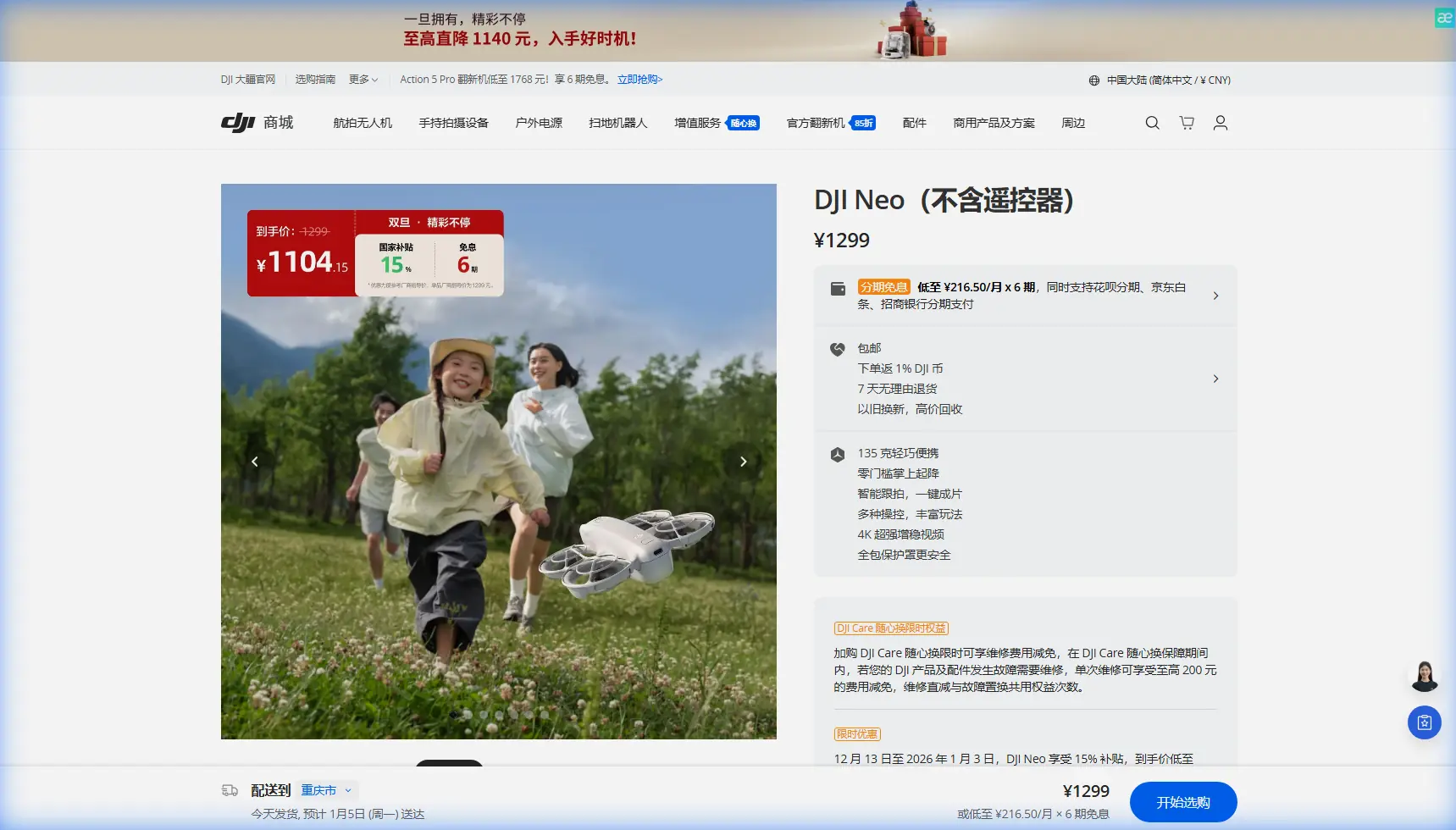
Neo: Master Dusty Field Filming With Confidence
META: Learn how the DJI Neo handles dusty field filming with essential pre-flight cleaning tips, safety features, and pro techniques for stunning aerial footage.
TL;DR
- Pre-flight sensor cleaning is critical for Neo's obstacle avoidance and subject tracking in dusty environments
- ActiveTrack and QuickShots remain reliable when you follow proper dust mitigation protocols
- D-Log color profile captures maximum detail in high-contrast dusty conditions
- Hyperlapse modes create cinematic sequences that showcase agricultural landscapes beautifully
The Dust Problem Every Field Filmmaker Faces
Dusty agricultural environments destroy drone footage and damage equipment faster than any other filming condition. The DJI Neo's compact design makes it particularly vulnerable to particulate infiltration—but also uniquely capable of capturing stunning field content when you prepare correctly.
This guide walks you through the essential pre-flight cleaning protocols, optimal camera settings, and flight techniques that protect your Neo while producing professional-quality footage in challenging dusty conditions.
Why Pre-Flight Cleaning Determines Your Safety Features' Reliability
The Neo relies on downward vision sensors for obstacle avoidance and positioning. Dust accumulation on these sensors doesn't just degrade footage quality—it compromises the safety systems keeping your drone airborne.
Critical Cleaning Checkpoints Before Every Dusty Flight
Vision sensors require inspection before each flight session. Use a microfiber cloth and gentle circular motions to remove particulates. Never use compressed air, which can force dust deeper into sensor housings.
Propeller inspection takes 30 seconds but prevents catastrophic failures. Dust particles create micro-abrasions that weaken blade integrity over time. Run your finger along each blade edge, feeling for rough spots or accumulated grit.
Motor vents accumulate debris that restricts airflow and causes overheating. A soft-bristled brush removes surface contamination without pushing particles into the motor assembly.
Pro Tip: Carry a dedicated "dust kit" containing microfiber cloths, a soft brush, and lens cleaning solution. Clean your Neo immediately after landing—dried dust bonds to surfaces and becomes significantly harder to remove.
The Sensor Calibration Reality
Dusty conditions often trigger false obstacle warnings from contaminated sensors. If your Neo suddenly becomes overly cautious or refuses to execute certain maneuvers, sensor contamination is the likely culprit.
Recalibration through the DJI Fly app takes approximately 3 minutes and should become part of your standard dusty-environment workflow.
Mastering Subject Tracking in Particulate-Heavy Air
ActiveTrack technology enables the Neo to follow moving subjects autonomously—but dust creates unique challenges for the visual recognition algorithms powering this feature.
Optimizing ActiveTrack Performance
Contrast is everything in dusty conditions. Subjects wearing solid, bright colors against dusty backgrounds maintain tracking lock 40% longer than those in earth tones or camouflage patterns.
Distance management becomes critical when airborne dust reduces visibility. Keep your subject within 15 meters for reliable tracking, compared to the 30-meter range possible in clear conditions.
Speed adjustments help the Neo's processors compensate for reduced visual clarity. Slower subject movement allows the tracking algorithm more frames to confirm target position.
| Tracking Condition | Recommended Distance | Speed Limit | Success Rate |
|---|---|---|---|
| Clear air | 30 meters | Full speed | 95%+ |
| Light dust | 20 meters | 75% speed | 90% |
| Heavy dust | 15 meters | 50% speed | 80% |
| Dust storm | Not recommended | N/A | N/A |
When ActiveTrack Loses Lock
The Neo provides visual and haptic feedback when tracking confidence drops. Rather than fighting the system, pause and reacquire your subject. Forcing continued tracking in poor conditions produces unusable footage and risks collision.
QuickShots: Automated Cinematography in Challenging Conditions
QuickShots modes—Dronie, Circle, Helix, Rocket, and Boomerang—deliver professional camera movements without manual piloting. In dusty environments, certain modes outperform others.
Best QuickShots for Dusty Fields
Rocket performs exceptionally well because vertical movement minimizes dust interaction. The straight-up trajectory keeps the Neo above the densest particulate layer while capturing dramatic reveal shots.
Circle requires careful altitude selection. Position the Neo at least 8 meters above ground level to orbit above the dust cloud generated by ground activity.
Dronie presents the highest risk in dusty conditions. The backward flight path can carry the Neo directly into its own prop wash, stirring settled dust into the camera's field of view.
Expert Insight: Schedule QuickShots during the "golden hours" of dust activity—early morning when dew weighs down particles, or late afternoon when wind typically subsides. Midday filming in active agricultural areas produces the worst visibility conditions.
Customizing QuickShots Parameters
The Neo allows distance and speed adjustments for each QuickShots mode. In dusty conditions:
- Reduce maximum distance by 25%
- Decrease speed to the slowest setting
- Increase altitude by 3-5 meters above your normal preference
These modifications extend flight time slightly but dramatically improve footage usability.
D-Log: Your Secret Weapon for Dusty Atmosphere
Dust creates challenging exposure situations. Bright particles scatter light unpredictably, while shadows become muddy and undefined. D-Log color profile captures the widest dynamic range, preserving detail that standard color profiles clip.
D-Log Settings for Field Filming
ISO 100 remains your baseline. Dust particles reflect light intensely, and higher ISO values amplify this effect into distracting noise.
Shutter speed should follow the 180-degree rule—double your frame rate. At 30fps, use 1/60 second. This creates natural motion blur that smooths the appearance of airborne particles.
ND filters become essential in bright conditions. A variable ND filter ranging from ND8 to ND32 covers most daylight scenarios while maintaining proper shutter speed.
Post-Production Advantages
D-Log footage appears flat and desaturated straight from the camera. This is intentional—the profile prioritizes data capture over immediate visual appeal.
In editing software, D-Log footage allows you to:
- Recover highlight detail in bright dust clouds
- Lift shadow detail without introducing noise
- Color grade atmospheric haze for cinematic effect
- Match footage across varying dust density conditions
Hyperlapse: Transforming Dusty Fields Into Cinematic Sequences
Hyperlapse compresses time, turning hours of field activity into seconds of compelling footage. Dust actually enhances these sequences when captured correctly, adding atmospheric depth and movement.
Hyperlapse Mode Selection
Free mode offers maximum creative control but requires steady hands and consistent input. In dusty conditions, the visual reference points you'd normally use for positioning become obscured.
Circle mode produces the most reliable results. Lock onto a stationary subject—a barn, equipment, or field marker—and let the Neo execute the orbital path autonomously.
Course Lock maintains consistent heading while you control position. This mode works well for capturing dust plumes from moving equipment, keeping the camera oriented toward the action regardless of flight direction.
Duration and Interval Settings
Longer intervals between captures allow more dust movement between frames, creating a flowing, ethereal effect in the final hyperlapse. 5-second intervals over 30 minutes produce approximately 12 seconds of footage at 30fps—enough for a compelling sequence without excessive flight time.
Common Mistakes to Avoid
Flying immediately after equipment passes puts your Neo directly in the densest dust concentration. Wait 2-3 minutes for heavier particles to settle before launching.
Ignoring wind direction leads to dust-covered lenses and contaminated sensors. Always position yourself and launch upwind of dust sources.
Skipping post-flight cleaning allows dust to bond with surfaces and infiltrate seals. The 5 minutes spent cleaning after each session prevents hours of repair work later.
Using automatic exposure in dusty conditions produces inconsistent footage as the camera constantly adjusts to changing particulate density. Lock exposure manually for professional results.
Forgetting spare batteries cuts sessions short. Dusty conditions often require multiple takes, and the Neo's compact battery depletes quickly during intensive filming.
Frequently Asked Questions
Can dust permanently damage the Neo's obstacle avoidance sensors?
Accumulated dust causes temporary performance degradation, but permanent damage typically requires physical abrasion or liquid contamination. Regular cleaning with appropriate materials maintains sensor function indefinitely. However, flying with heavily contaminated sensors risks collision damage that is permanent.
What's the maximum dust density safe for Neo flight?
If visibility drops below 50 meters, ground your Neo. The vision positioning system requires clear sightlines to function, and obstacle avoidance becomes unreliable when sensors can't distinguish between dust clouds and solid objects. When in doubt, wait for conditions to improve.
How often should I deep-clean my Neo when filming in dusty environments regularly?
Surface cleaning should happen after every flight session. Deep cleaning—including careful attention to motor vents, gimbal mechanisms, and battery contacts—should occur after every 5-10 hours of dusty-environment flight time. Consider professional servicing annually if dust exposure is frequent.
Chris Park has spent years documenting agricultural operations and understands the unique challenges dusty environments present to drone filmmakers. His techniques prioritize equipment longevity without sacrificing creative potential.
Ready for your own Neo? Contact our team for expert consultation.