
Neo for Remote Venue Scouting: What Actually Matters
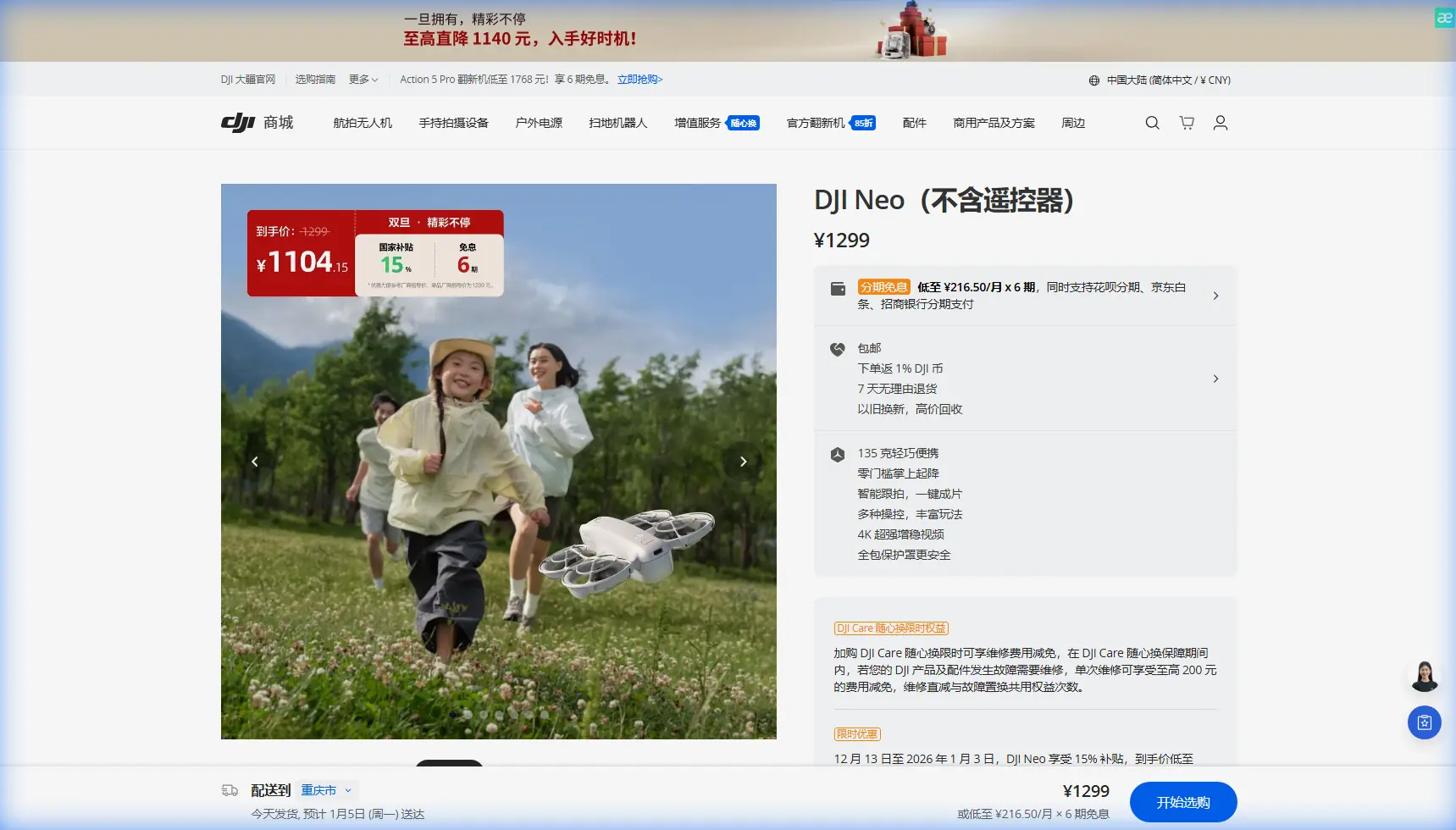
Neo for Remote Venue Scouting: What Actually Matters in the Field
META: A practical, expert guide to using Neo for remote venue scouting, with real-world tips on obstacle avoidance, subject tracking, QuickShots, Hyperlapse, D-Log, ActiveTrack, and battery management.
Remote venue scouting sounds simple until you are standing on uneven ground with one bag, fading light, weak signal, and a long walk back to the vehicle. That is where a small drone like Neo stops being a convenience and starts becoming part of your location workflow.
I approach this as a photographer first. When I scout a venue in a remote area, I am not flying for spectacle. I am trying to answer hard production questions before a client, crew, or couple arrives. Where does the terrain open up? Which approach route looks clean on camera? Is there a safe launch point near the ceremony site? What happens to the background once I gain 20 or 30 feet? A scouting drone needs to help solve those problems quickly, without creating new ones.
Neo fits that job well because it lowers the friction between arrival and usable footage. Small aircraft are often dismissed as casual tools, but that misses the real advantage. In remote scouting, speed matters. So does confidence. If a drone lets you launch fast, frame clearly, and move on before weather or battery anxiety takes over, it earns its place.
The challenge is that remote locations punish lazy habits. Trees are denser than they looked online. Wind corridors appear out of nowhere. Distances are deceptive. Light changes faster when hills and ridgelines start cutting into the sun. A drone can help you scout all of that, but only if you use its features with intention.
The real problem with remote scouting
Most missed venue details do not come from lack of talent. They come from incomplete perspective. Ground-level walkthroughs tell you how a place feels, but not always how it reads. A meadow that feels expansive on foot may look cramped once tree lines close in around the edges. A lakeside ceremony spot may appear wide open until you realize the only safe takeoff area forces awkward camera angles. A gravel access road may look fine until aerial footage reveals how parked vehicles would dominate the frame.
This is where Neo becomes more than a flying camera. Features like obstacle avoidance and subject tracking are not just marketing terms in this context. They directly affect whether you can gather reliable scouting footage under pressure.
Obstacle avoidance matters because remote locations are full of visual traps. Thin branches, uneven elevation, fence lines, and sudden rises in terrain can turn a simple forward move into a risky one. During scouting, you are often thinking about the site itself, not just the aircraft. A system that helps reduce collision risk lets you devote more attention to composition and route planning. That is operationally significant. It means fewer interrupted flights, fewer forced repositionings, and less time spent second-guessing every pass near trees or structures.
Subject tracking and ActiveTrack matter for a different reason. Venue scouting often involves movement. You may want footage that shows the walk from parking to ceremony site, or the way a path opens onto a reception area. Tracking tools let the drone follow your movement or maintain focus on a person moving through the space, which helps translate scale. A static overhead shot can show layout. A tracked walking shot shows experience. Clients often respond to the second one faster because it answers the question they actually care about: what will this feel like when people are here?
Why the smallest details change the scouting result
A lot of pilots use automated modes only as visual garnish. I think that is a mistake. In remote venue work, QuickShots and Hyperlapse can serve practical purposes when used sparingly.
QuickShots are useful when you need a fast, repeatable motion that reveals spatial relationships without burning too much battery on multiple manual takes. If I am scouting a ridge-top venue, a short automated move can quickly show how the ceremony space sits relative to the valley, access road, and nearby tree cover. That kind of reveal is not just pretty. It helps with planning camera positions, guest flow, and even sound expectations if the terrain is likely to funnel wind.
Hyperlapse can also be more than an effect. In remote locations, light direction and cloud movement can make or break a venue. A brief Hyperlapse sequence during scouting can show how shadows roll across the site, when a hillside drops into shade, or whether a golden-hour portrait area will stay usable long enough. If you are photographing or filming events, that information is valuable long before the shoot day.
Then there is D-Log. If you are handing scouting footage to a planner, creative team, or client, color latitude matters more than many people assume. Flat profiles such as D-Log preserve more room for correction when a remote location gives you bright sky and dark ground in the same frame. That is common in mountainous or wooded sites. Shooting in a profile with more grading flexibility can help you recover subtle terrain detail and present a location more accurately, especially when the point of the scout is decision-making rather than instant social posting.
A field workflow that keeps Neo useful instead of stressful
Here is the problem-solution split I see most often.
The problem: pilots arrive at a remote venue and start flying reactively. They launch, chase a few attractive angles, run the battery lower than planned, and leave with footage that looks nice but does not answer operational questions.
The solution: fly the scout like a survey, then collect the creative passes.
My own sequence is simple.
First, I do a short perimeter read from the ground. I look for three things: wind exposure, overhead hazards, and the most obvious emergency landing zone. Remote sites can be deceptive, especially if grass height hides rocks or dips. That sixty-second pause prevents most bad decisions.
Second, I launch for information, not beauty. I climb to a modest height and record the access pattern, usable open spaces, and the proximity of trees, power lines, or buildings. This is where obstacle avoidance earns its keep. I am not testing it recklessly, but I do want that additional layer of protection while I map the location in my head.
Third, I use subject tracking or ActiveTrack for one or two representative walk-throughs. I might walk the route a couple would take, or the path guests would follow from transport drop-off to main event area. That footage tends to be far more useful than another generic overhead orbit.
Only after that do I capture QuickShots, controlled reveals, or a Hyperlapse if the site deserves it.
This order matters because battery discipline matters.
The battery management tip I wish more pilots used
The most useful battery tip I can give from field experience is this: never judge remaining flight time by the percentage you see after takeoff. Judge it by the return walk you have not done yet.
Remote scouting changes battery math. You may be a five-minute walk from your launch point by the time you realize the wind has shifted or your signal path is less clean than expected. Add a climb, a headwind, and the temptation to grab one last pass, and the margin disappears quickly.
So I use a simple personal rule. I divide the flight into thirds. The first third is for the survey. The second third is for planned hero moves. The final third is not “extra.” It is the reserve for distance, wind, landing adjustments, and bad assumptions. If a battery reaches that final third sooner than expected, the creative work ends immediately.
In cold or exposed remote environments, I get even stricter. Batteries that looked fine in the bag can sag faster once airborne. I also keep packs close to body temperature before launch instead of leaving them on cold ground or in direct sun on a rock. That single habit makes power behavior more predictable. Predictability is the real goal. Not squeezing every possible minute from a pack.
Another field habit helps: narrate the battery decision out loud. It sounds silly, but saying “survey complete, reserve starts now” forces discipline. When you are alone in a beautiful location, the easiest lie is that one more pass will only take a minute.
How Neo helps when the location is harder than expected
Remote venues rarely fail in obvious ways. They fail in subtle ones. A stand of trees blocks the clean sunset angle. The only launch zone puts your aircraft too close to guest staging. A creek bed introduces wind turbulence near the exact shot you wanted. A meadow looks ideal until aerial perspective shows patchy ground that would be difficult for formal foot traffic.
Neo’s value in those moments is not just that it can film the site. It helps you reject bad assumptions early.
If obstacle avoidance flags a route that looked easy from the ground, that is information you can use for planning. If ActiveTrack struggles to maintain a clean path through dense overhead cover, that may reflect the same challenge a handheld operator or gimbal team would face. If QuickShots reveal that a hero angle collapses visually because of nearby clutter, that is a useful scouting outcome. Not every flight needs to confirm the venue. Sometimes it needs to expose the limits.
That is why I recommend capturing a mix of functional and cinematic footage. Functional clips answer logistics. Cinematic clips help others emotionally understand the location. You need both if the scout is meant to support a real decision.
Making the footage more useful after the flight
A remote scout is only successful if the footage remains usable once you are back home, reviewing on a larger screen.
I separate my clips into four buckets right away: access, layout, movement, and atmosphere. Access clips show approach routes and launch practicality. Layout clips show the relationship between key site elements. Movement clips come from subject tracking or ActiveTrack passes. Atmosphere clips include the more expressive QuickShots, slow reveals, or Hyperlapse sequences.
If I shot in D-Log, I do a light correction pass before sharing anything. Not because every scout needs a polished grade, but because flat footage can hide useful detail from people who are not used to evaluating it. The goal is clarity. You want planners, clients, or collaborators to see the terrain and visual rhythm of the site, not to decipher an unfinished image.
When I need quick feedback from a coordinator or local contact while still in the field, I send a short clip set and a note through direct venue check-in. That speeds up decisions on whether I should spend another battery exploring a secondary angle or move on.
When to lean on automation and when not to
Automation is at its best when it helps you gather consistent information fast. It is less useful when the terrain is too layered or the environment is changing quickly. In dense tree cover, narrow clearings, or gusty corridors, I prefer simpler movements and conservative distances. Remote scouting is not the place to prove how adventurous you are with automated flight modes.
That said, dismissing those modes entirely leaves value on the table. Subject tracking, ActiveTrack, QuickShots, and Hyperlapse all have a place when the objective is clear. Use them to answer specific questions:
Will guests understand the arrival path? Does the venue open visually from above or stay visually crowded? How quickly does shade move across the ceremony area? Is there a repeatable establishing angle worth planning around?
Those are the kinds of questions a serious scouting flight should answer.
The bigger takeaway for venue professionals and photographers
Neo makes sense for remote venue scouting because it shortens the gap between uncertainty and usable information. That is the real benefit. Not novelty. Not flashy footage for its own sake.
If you are evaluating places where access is limited, weather changes fast, and every extra minute on site matters, a small drone with obstacle avoidance, tracking tools, QuickShots, Hyperlapse options, and D-Log flexibility can do real work. It can reveal whether a location is practical, photogenic, both, or neither.
And that is what good scouting is supposed to do. It should reduce risk before the actual shoot day. It should help you arrive with a plan instead of optimism.
For me, the most reliable mindset is this: fly the site to understand it first, then fly it to admire it. Neo is at its best when you use it that way.
Ready for your own Neo? Contact our team for expert consultation.