
Neo Case Study: Tracking Remote Coastlines with Survey
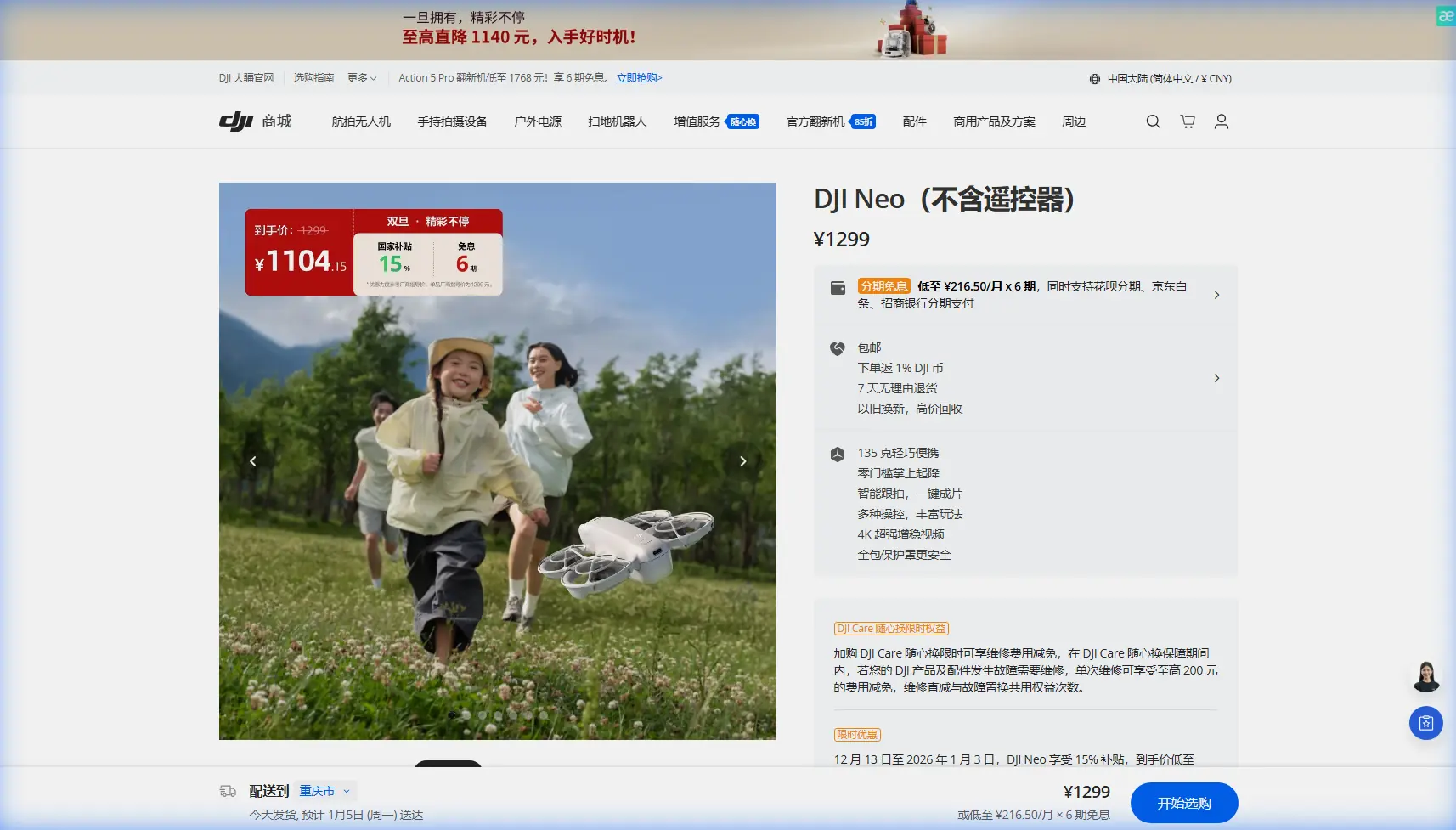
Neo Case Study: Tracking Remote Coastlines with Survey Discipline
META: A field-tested look at using Neo for remote coastline tracking, with practical flight-planning lessons from UAV photogrammetry, overlap control, stabilized imaging, and antenna positioning for better range.
Remote coastlines expose every weakness in a drone workflow.
Wind shifts faster than expected. Landing zones are rough or nonexistent. A beautiful tracking shot can fall apart because signal quality drops as the aircraft rounds a cliff face. And if the mission is more than visual storytelling—if you also need repeatable geography, consistent shoreline records, or site documentation—the margin for sloppy flying disappears.
That is where Neo becomes interesting.
Most people look at a compact drone like Neo and think first about ease of use: subject tracking, QuickShots, short setup time, a lightweight kit that can be carried to places where larger aircraft become a burden. All true. But for remote coastline work, the bigger story is operational discipline. The real value comes from treating a small drone with the same planning logic used in professional UAV remote-sensing work.
I came to that view as a photographer first, not as a theorist. On a recent coastal assignment, the brief sounded simple: capture a remote shoreline with repeatable passes that could support visual comparison over time while still producing polished motion footage. The terrain was uneven, the weather was unsettled, and access was limited to a narrow path above the waterline. Neo handled the terrain better than expected, but only after I stopped thinking in terms of “just get the shot” and started thinking like a survey operator.
That shift matters because the reference standards from UAV pipeline inspection and low-altitude photogrammetry translate surprisingly well to coastline tracking.
Why coastline tracking needs more than cinematic flying
A coastline is a moving boundary. Tides change it by the hour; erosion changes it by the season. Even when your goal is content creation, not engineering output, consistency becomes the difference between footage that merely looks good and footage that can actually be compared, reviewed, and trusted.
The remote-sensing playbook is built around that idea. One key principle is that the sensor system should work from preset parameters—flight points, image scale, and overlap—while also responding to live flight data such as altitude and speed. Operationally, that means your capture settings should not be improvised every few minutes. They should be tied to a repeatable route.
For Neo, that changes how you plan a coastline mission. Instead of freehand wandering along the shore, you define segments: headland, beach line, rock shelf, estuary mouth. Then you decide what each segment needs.
- A tracking pass for movement and perspective
- A higher, straighter pass for spatial context
- Repeat stills or interval captures for comparison
- A controlled speed to keep framing consistent
This sounds technical, but in practice it reduces stress. The aircraft stops being a gadget and becomes a reliable field tool.
The survey lesson Neo users should borrow: overlap is not optional
One of the most useful details from low-altitude aerial photogrammetry is the discipline around image overlap. In stereo aerial imaging, forward overlap is typically 55% to 65%, with 60% often used as the practical target, while side overlap sits around 30%. Those numbers were developed for mapping, not for lifestyle footage, but they explain why some shoreline missions feel coherent and others do not.
If you are documenting a remote coast with Neo, especially for repeated observation, overlap creates continuity.
Think about a cliff-backed beach. If each pass captures only isolated moments, you end up with fragments. If your route and capture timing preserve substantial overlap from one frame or segment to the next, the shoreline can be interpreted as a connected surface rather than a series of disconnected views. That helps in two ways:
First, it makes visual comparison easier later. You can line up changes in rock exposure, waterline position, or vegetation edge with less guesswork.
Second, it improves the quality of your storytelling. Footage cuts together more naturally when each movement shares spatial context with the next.
Neo is not pretending to be a dedicated survey platform. That is not the point. The point is that disciplined overlap—whether through repeated passes, timed intervals, or carefully spaced route segments—raises the quality of both analysis and imagery.
Stabilization becomes critical near water and wind
Coastlines punish unstable aircraft behavior. Wind wraps around bluffs, rebounds off rock faces, and creates abrupt turbulence over open water. Any compact drone operating there needs more than decent specs on paper; it needs a capture system that can preserve clear imagery when the air gets messy.
A practical lesson from UAV remote-sensing systems is the value of a three-axis stabilized platform when the aircraft itself is more vulnerable to wind or less inherently stable. The reason is simple: when the platform absorbs movement, image quality becomes usable instead of merely survivable.
This matters for Neo users even if they are not generating maps. Along a remote shoreline, micro-vibrations and yaw corrections are not just aesthetic issues. They can blur edge details, reduce interpretability of coastal features, and weaken subject tracking when the drone is trying to hold a composition against a crosswind.
In my own coastline workflow, I noticed the difference most when filming oblique passes across a rock shelf during a tide transition. The scene looked dramatic to the eye, but the real challenge was maintaining enough image stability for the footage to support later frame grabs and visual reference. Stabilized imaging turned the sequence from a cinematic gamble into something operationally useful.
That is the hidden advantage of a well-managed small drone. It can switch roles quickly—from tracking tool to documentation tool—without changing platforms.
Altitude, speed, and repeatability: the quiet backbone of a good mission
Another reference detail worth borrowing is the relationship between sensor control and live flight data. In remote-sensing operations, the system uses real-time information such as flight altitude and flight speed to manage image capture so the results meet technical requirements.
For Neo, that principle translates into a straightforward field habit: stop changing altitude and speed without reason.
On a remote coastline, slight altitude drift changes how the shoreline reads in frame. Slight speed changes alter overlap and subject spacing. If you fly one pass at a steady height and another with constant corrections, the footage may still look acceptable in isolation, but it becomes much harder to compare.
This is especially relevant when using features like ActiveTrack or subject tracking along a coastal path. Automation is helpful, but it still benefits from a planned baseline. If the tracked subject is moving parallel to the shore, set a consistent lateral offset and hold a stable height band wherever terrain allows. If obstacles force a route adjustment, note that break in continuity. Good operators do not just fly well—they know when the data or footage stopped being directly comparable.
QuickShots and Hyperlapse can also benefit from this mindset. These modes are often treated as casual creative tools, yet on a shoreline they become much stronger when launched from positions chosen for repeatability. The camera move becomes not just impressive, but re-creatable.
The 1000-meter rule changes field logistics more than people realize
One reference detail that often gets overlooked is regulatory structure around lower-altitude operation. The source notes that airspace below 1000 meters may operate under a registration and filing framework, with relatively convenient application procedures and no mandatory control in that zone.
For coastal fieldwork, the operational significance is huge.
Remote sites are often difficult not because of flying complexity, but because of administrative delay. If your mission profile fits a lower-altitude envelope, planning becomes more nimble. You can organize short-notice visual documentation, environmental observation, or site revisits with less friction than a manned aerial alternative. That responsiveness is one reason drones transformed inspection and remote observation work in the first place.
For someone using Neo to monitor a remote coastline, this means the aircraft is not just easier to carry—it is easier to deploy in a practical sense. A small drone that can be transported quickly, launched from modest terrain, and flown in low-altitude conditions fits the rhythm of real fieldwork. Tide windows are short. Weather gaps are shorter. Mobility matters.
Signal discipline on the coast: antenna positioning advice that actually helps
The single most underrated coastline skill has nothing to do with camera settings. It is antenna positioning.
Open coastal spaces create false confidence because there are fewer obvious obstructions. But signal problems often come from subtle geometry: the aircraft drops below the lip of a cliff, flies behind a rocky outcrop, or moves low over water where reflections and angle changes affect link quality. Users blame range when the real issue is orientation.
Here is the field rule I follow: keep the controller antennas oriented so their broadside faces the aircraft, not the tips pointed directly at it. In plain terms, do not “aim” the antenna ends like laser pointers. Present the flatter signal face toward Neo and rotate your body as the drone moves down the shoreline.
That one adjustment often matters more than people expect.
A few more habits help:
- Stand where you can maintain the cleanest line of sight above the shoreline edge.
- Avoid launching from below ridge level if the route will continue around rock formations.
- If Neo is tracking along a coast, reposition yourself before the drone enters a blind sector rather than waiting for signal quality to dip.
- Over water, resist the temptation to fly unnecessarily low unless the shot demands it.
On one assignment, I had to move only about ten meters along a headland path to keep a much cleaner angle to the aircraft. The difference in link confidence was immediate. Small relocation, major operational gain.
If you need a second opinion on field setup before a remote shoot, I’ve found it useful to message a drone specialist here and sanity-check route assumptions, especially for difficult launch sites.
Neo’s strength in remote coastal work is its tempo
Large systems can deliver extraordinary outputs, but they also ask more from the operator: more transport planning, more setup, more landing space, more tolerance for logistics. Neo’s advantage is tempo.
The source material on UAV remote sensing highlights short preparation time, convenient transport, low takeoff and landing demands, and the ability to reach the target area quickly. That operational profile is exactly what coastal crews need when the environment refuses to hold still.
Remote shoreline conditions reward teams that can do three things well:
- Arrive light
- Launch fast
- Repeat passes before conditions change
That is where Neo shines. It lets a photographer or field observer respond to cloud breaks, tide movement, or wind shifts without turning every mission into an expedition. And when paired with disciplined route planning, it becomes more than a convenience tool. It becomes a compact observation system.
A better way to think about Neo on the coast
The common mistake is to judge a drone only by cinematic features or only by technical capability. Coastline tracking needs both.
Obstacle avoidance and subject tracking are useful because they reduce workload in uneven terrain. QuickShots and Hyperlapse are valuable because they create strong visual narratives from inaccessible places. If your workflow supports grading, formats such as D-Log can preserve more flexibility in mixed light, which is common along reflective water and cloud-shadowed cliffs.
But none of those features matter much if the mission is inconsistent.
The deeper lesson from UAV inspection and remote-sensing practice is that image quality, overlap, stabilization, stored positional data, and low-altitude deployment discipline all support one thing: trust. Trust that the pass you flew today can be compared with the pass you fly next month. Trust that the shoreline in frame is not just dramatic, but readable. Trust that the aircraft can be deployed quickly enough to capture the coast before the weather or tide rewrites the scene.
That is why Neo works in remote coastline tracking when used properly. Not because it turns every user into a surveyor, and not because it replaces specialized systems. It works because a compact drone, flown with survey-minded discipline, can produce footage and observations that hold up under real scrutiny.
For photographers, that means stronger visual stories. For site teams, it means cleaner records. For anyone working in remote coastal terrain, it means fewer wasted flights.
Ready for your own Neo? Contact our team for expert consultation.